Behind every event that looks effortless is usually a team managing hundreds of details that guests never see.
For Roula Abou Obeid, owner of Ebda3 for Events and Weddings, that behind-the-scenes work is where much of the real skill lies. Together with her team, Roula plans, coordinates and produces weddings, corporate functions and social events from the first idea through to the final moment.
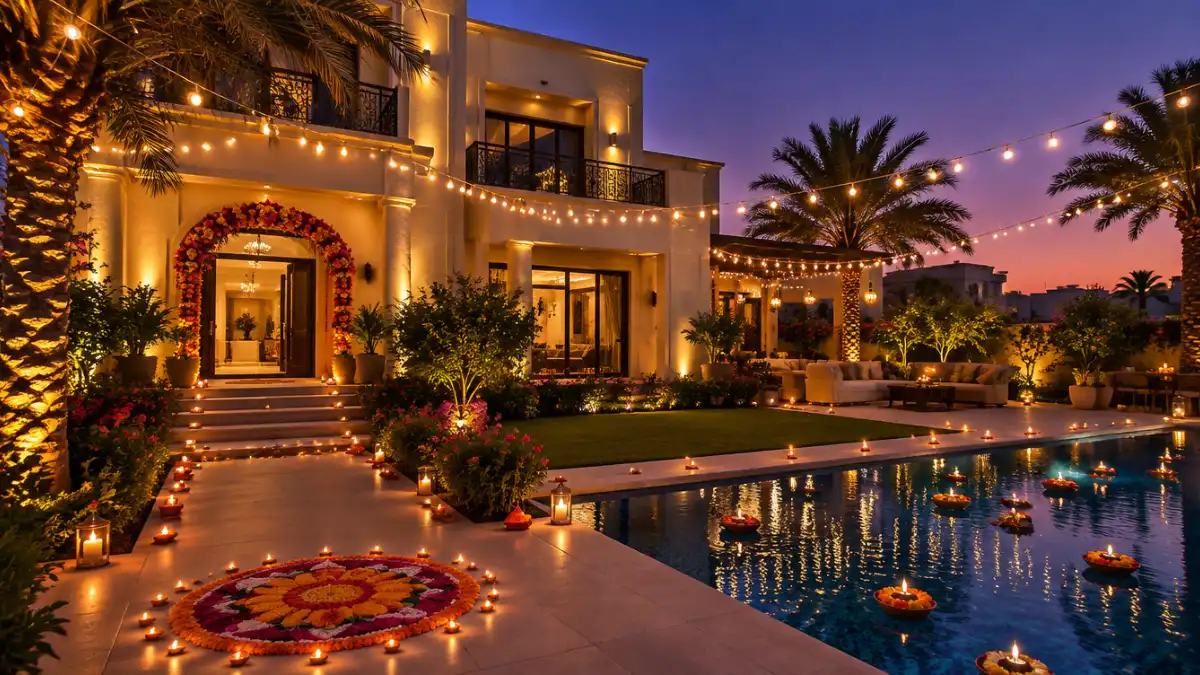
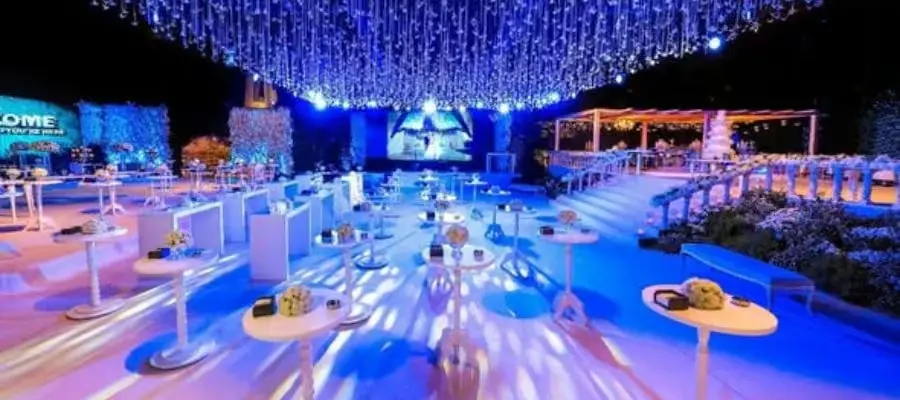
Ebda3 for Events and Weddings provides full event planning, consulting and supervision, bringing together everything from concept development and coordination to décor, catering, sound, lighting, photography and video.
But Roula didn't begin her career in events. She came from television production - and many of the skills she developed there still influence the way she approaches an event today.
From Television Production to Event Planning
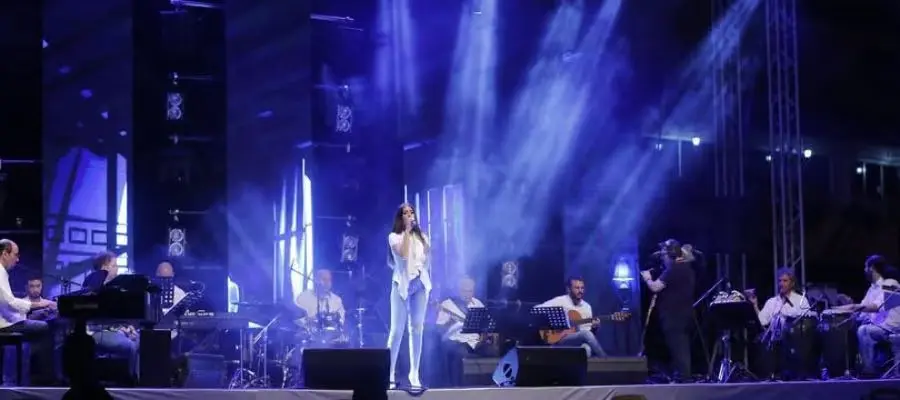
Roula's career began in media, where she worked as a TV Executive Producer and Director, overseeing major productions from the original concept through to execution.
It was a career she loved, but event management offered something television couldn't quite match.
With a live event, the experience happens in front of you.
There is an audience in the room. The timing is immediate. If something changes, the team has to react there and then. And once everything comes together, you get to see people's reactions first-hand.
That combination of creativity, production and human interaction drew Roula into the events industry.
“Events are real, live and immediate. You create an experience and get to see people live it in the moment.”
Her production background turned out to be ideal preparation.
Running an event requires many of the same skills as producing television: managing a team, controlling timings, coordinating technical elements, making quick decisions and keeping an entire production moving even when something unexpected happens.
What Does an Event Planner Actually Do Behind the Scenes?
A professional event planner does far more than choose a venue, flowers or décor. Their job is to turn a client's initial idea into an experience that can actually be delivered.
For Roula, that means being involved throughout the process, including:
Understanding the client's personality, priorities and expectations
Developing the overall event concept
Creating and managing the budget
Building the event timeline
Selecting and coordinating suppliers
Managing the creative and technical production
Coordinating the event team
Overseeing décor, entertainment, catering, lighting and sound
Managing the running order on the day
Solving problems before the client becomes aware of them
It is this final point that Roula considers particularly important.
The client shouldn't be spending their wedding or special occasion wondering whether the entertainment has arrived, whether the lighting cue is ready or whether dinner is running late.
They should simply be enjoying it.
“Our clients should never see the stress behind the scenes. They should simply enjoy their moment, knowing that someone they trust is taking care of everything.”
How Do You Plan an Event When the Client Isn't Sure What They Want?
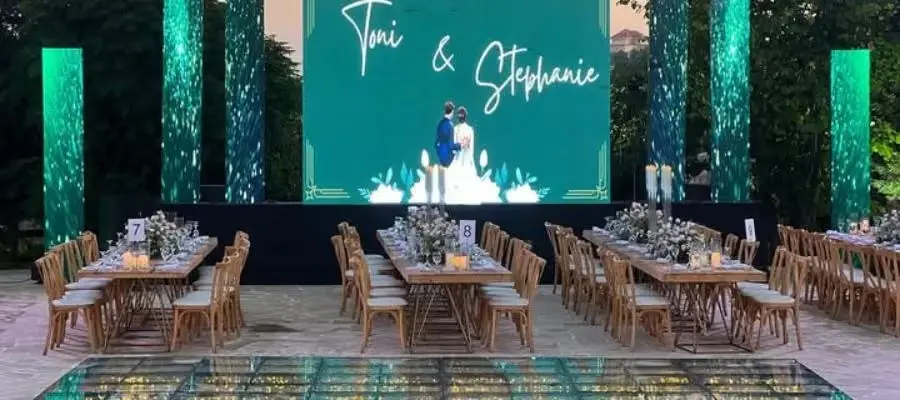
When a client doesn't have a clear vision, the planner's first job is to understand the feeling they are trying to create.
Roula says some of the most challenging projects begin with clients who know they want something special but struggle to describe exactly what that looks like.
That's when event planning becomes partly about interpretation.
Rather than immediately presenting packages or pushing a particular design, Roula and her team pay attention to the client's preferences, reactions and feedback. They ask questions, listen carefully and gradually turn those clues into a clearer direction.
Sometimes what a client dislikes tells the team just as much as what they like.
The objective is to take an uncertain collection of thoughts and transform it into an event that ultimately feels completely personal.
For Roula, seeing a client recognise themselves in the finished event is one of the most rewarding parts of the job.
Why Timing Matters So Much in Event Production
Timing can make or break a live event because dozens of suppliers, crew members and individual moments often need to come together within minutes - or even seconds - of one another.
Roula says the period immediately before an event begins remains one of the most intense parts of the job, regardless of how much preparation has gone into it.
The lights have to work.
The sound has to be ready.
Entrances need to happen at the right moment.
Entertainment, catering, décor and technical teams all have their own responsibilities, while somebody still needs to see the event as one complete production.
That is where Roula's background as a television director becomes particularly valuable.
She is used to working against deadlines and making decisions under pressure.
And while an event plan is essential, so is being able to adapt when the real world doesn't follow it perfectly.
What Makes a Great Event Planner?
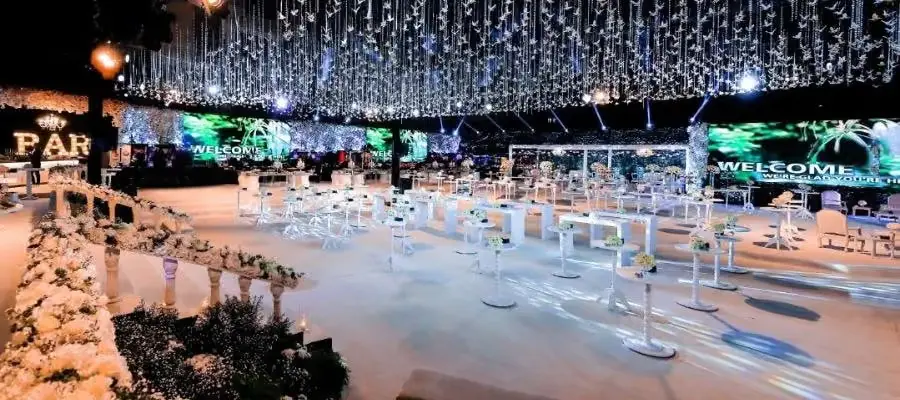
A great event planner combines creativity with organisation, communication and the ability to remain calm when plans change.
Beautiful ideas matter, but Roula believes delivering them is equally important.
Her approach can be summed up through a few principles:
Listen before designing. The event needs to reflect the client rather than the planner.
Think beyond the obvious. Clients should feel comfortable dreaming big.
Plan every detail. Creativity only works when the logistics behind it are solid.
Expect the unexpected. Problems should be dealt with quickly and discreetly.
Stay involved. A planner needs to be present from the early decisions through to execution.
Protect the client's experience. The pressure belongs behind the scenes, not in front of the client.
It's a combination of creative thinking and production discipline.
Turning “What If?” Into “We Can Do It”
One belief sits at the heart of Roula's approach to event planning: don't restrict the idea before exploring how it could be achieved.
“We believe that everything can be done and that nothing is impossible.”
That doesn't mean ignoring budgets, venues or practical limitations. It means starting with the client's ambition and then working out how the team can translate it into something achievable.
For clients, this creates a very different planning relationship.
Instead of simply hiring someone to coordinate suppliers, Roula wants them to feel they have a team alongside them - people who can listen, advise, make difficult decisions easier and find solutions when challenges appear.
From the first conversation through to the event itself, the relationship is collaborative.
The Moment That Makes the Pressure Worthwhile
For Roula, the best part of an event often comes when it's almost over.
The months or weeks of planning are finished. The final cues have happened. The suppliers have delivered. Guests are enjoying themselves and the client can finally see the idea they discussed at the beginning brought to life.
That's when the pressure disappears.
After the deadlines, decisions, last-minute adjustments and long hours, there is the satisfaction of looking around and knowing that it worked.
And that, Roula says, is what keeps the passion alive.
Planning a Wedding or Event?
If you're planning a wedding, corporate event or special celebration, working with an experienced event planner can take much of the coordination and pressure away from you.
The right planner doesn't just help you choose how an event will look. They help shape the concept, manage the budget and suppliers, coordinate the production and make sure everything comes together when it matters.
Events & More approaches events from that complete production perspective - combining creativity with detailed planning and hands-on coordination.
And for Roula Abou Obeid, there is one simple measure of whether all that work has been worthwhile:
The client gets to enjoy the event while the team takes care of everything else.
Quick Questions About Events & More
What services does Events & More provide?
Events & More provides end-to-end planning and coordination for weddings, social celebrations and corporate events, with services spanning planning, production, décor, catering, sound, lighting, photography and video.
Who leads Events & More?
Roula Abou Obeid is an event professional with a background as a TV Executive Producer and Director. Her production experience influences the way she approaches event timing, team management, creative direction and live execution.
Why is Roula's television background relevant to event planning?
Television and live events both require careful planning, strict timing, team coordination and fast problem-solving. Roula applies those production skills to managing the many creative and technical elements involved in an event.
What if a client doesn't know exactly what they want?
Roula's approach is to first understand the client's tastes, personality, reactions and expectations. From there, her team develops those ideas into a clear event concept rather than expecting the client to arrive with a completely formed plan.
What does Events & More consider important on the event day?
The team focuses on coordinating the many suppliers, crew members and production elements behind the scenes so the client can concentrate on enjoying the occasion rather than managing it.